Apple Ditches iPhone Chips for Smart Glasses Due to Battery Life

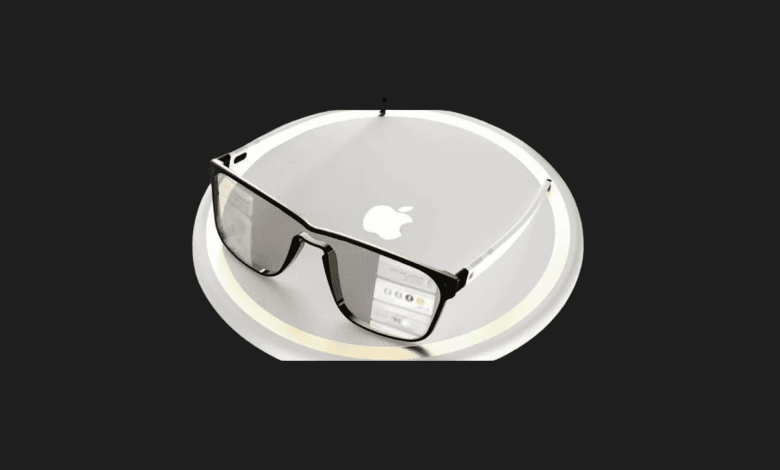

It has been revealed that tech giant Apple might prefer the S10 chip used in Apple Watches instead of iPhone processors to solve the battery problem in its smart glasses project.
It turns out a solution to the battery life issue, seen as the biggest obstacle in the smart glasses project Apple has been working on for a long time, might be found through hardware the company already uses. According to new information, Apple aims to maintain lightness and significantly extend daily usage time by preferring a highly efficient System-in-Package (SiP) architecture used in Apple Watches instead of iPhone processors.
The biggest handicap of smart glasses is that they can only work for a few hours as a standalone device. This makes it difficult to position the product as an alternative to the iPhone. Previous reports revealed the need for a special chip that offers performance similar to A-series processors in the iPhone but consumes only one-tenth of the power.
Watch Chip May Be Used in Apple Glasses According to the information conveyed, the S10, the most powerful member of the Apple Watch SiP family, will be at the heart of Apple Glasses. This dual-core chip is supported by a 4-core Neural Engine. In terms of performance, while the S10 cannot compete with the A19 or A19 Pro processors used in iPhones, it is stated to offer processing power similar to older generation iPhone chips. This makes the S10 an ideal candidate combining low power consumption with sufficient computing capacity.
According to EBN sources, the most important advantage of the S10 is its potential to offer full-day usage thanks to ultra-low energy consumption. On the other hand, the battery capacity of Apple Glasses is predicted to remain under 800 mAh. Although an iPhone processor will not be used on the hardware side, it is stated that Apple Glasses will not fall far behind in terms of features. The device is planned to process images from multiple cameras, call and control Siri, and run AI-based features while connected to the iPhone. This shows that the glasses will be positioned not alone but as part of the ecosystem.
On the connectivity side, it is stated that Apple’s first-generation smart glasses could establish a direct or wireless connection with an iPhone or Mac. However, it is noted that the first version will be screenless and offer an experience focused more on camera, audio, and artificial intelligence. This model is expected to be introduced in 2026. More ambitious innovations are left for the second generation. Expected to be introduced in 2027, the second-generation Apple Glasses may have a structure capable of running two different operating systems depending on the device it is connected to.


You Might Also Like;